
Electric vs Gas Golf Cart
At Small Town EV, we understand that choosing between an electric and a gas golf cart is a significant decision. Whether you’re navigating the fairways, cruising through your neighborhood, or utilizing a cart for work-related tasks, it’s essential to select the option that best aligns with your needs. Let’s delve into the distinctions between electric and gas golf carts to help you make an informed choice.
Performance and Power
Electric golf carts are renowned for their smooth and quiet operation. They offer instant torque, providing quick acceleration and a responsive driving experience. This makes them ideal for flat terrains and residential areas where noise reduction is appreciated.
Gas golf carts, on the other hand, typically offer more horsepower, making them better suited for hilly terrains and heavy-duty tasks. They can handle longer distances without the need for frequent refueling, which is advantageous for extended use.
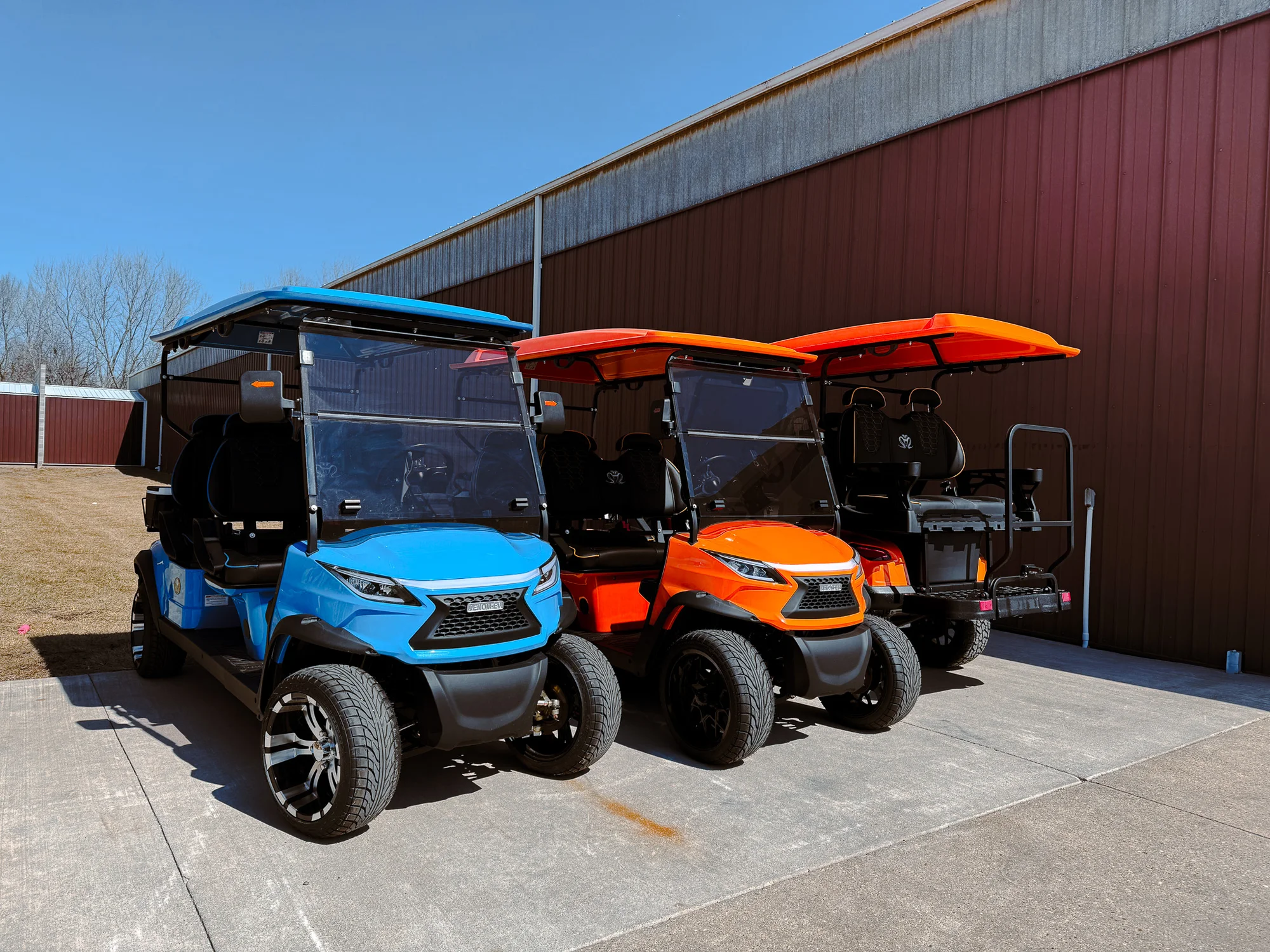
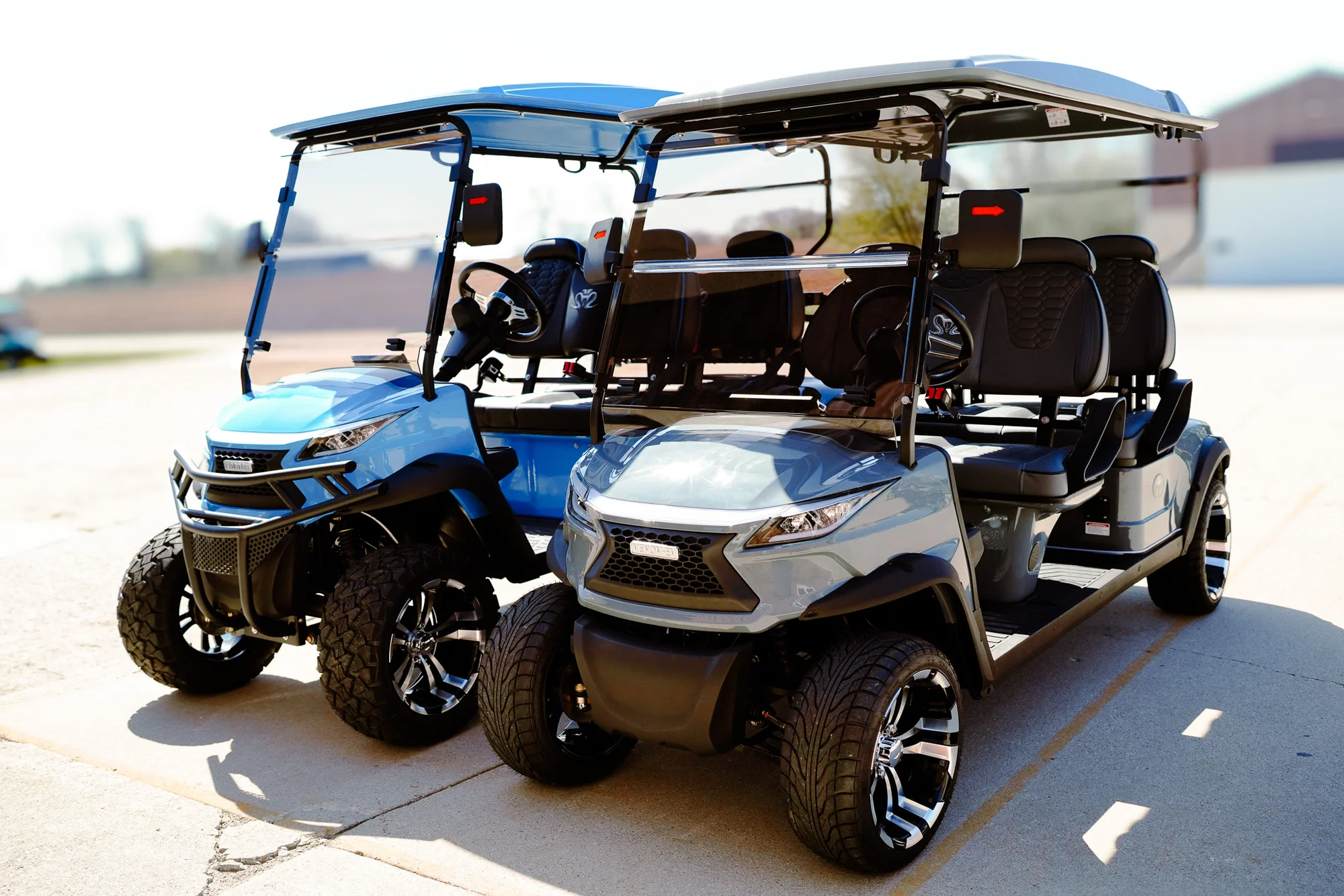
Maintenance and Operating Costs
Electric golf carts generally require less maintenance due to fewer moving parts. Routine tasks include battery maintenance and occasional brake checks. Operating costs are lower since electricity is cheaper than gasoline.
Gas golf carts necessitate regular maintenance, including oil changes, filter replacements, and engine tune-ups. Fuel costs can add up over time, making them more expensive to operate in the long run.
Environmental Impact
Electric golf carts produce zero emissions, making them an environmentally friendly choice. They contribute to reduced air and noise pollution, which is beneficial for both the environment and community health.
Gas golf carts emit exhaust fumes and are noisier, contributing to air and noise pollution. This can be a concern in residential areas and environmentally sensitive locations.
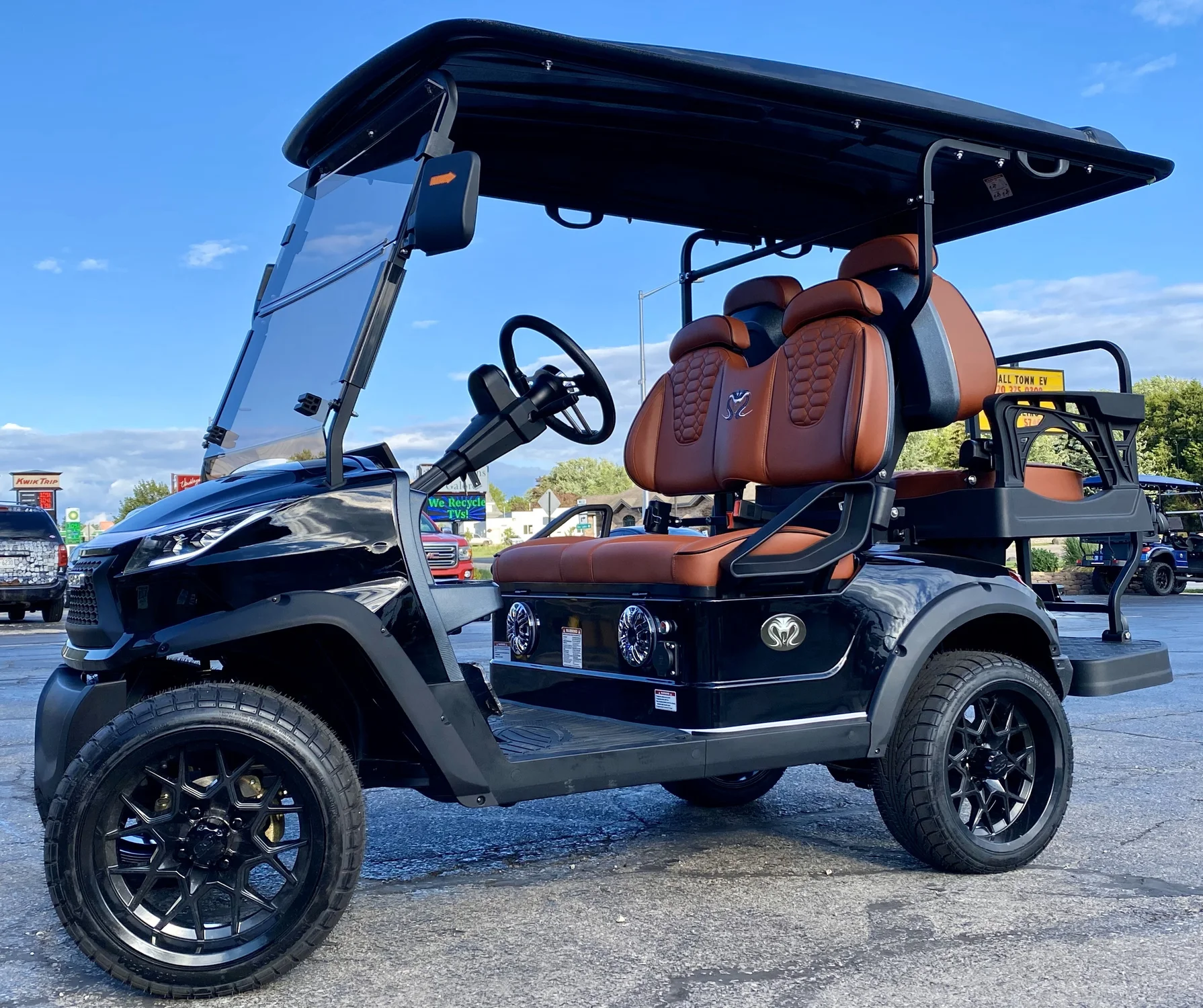
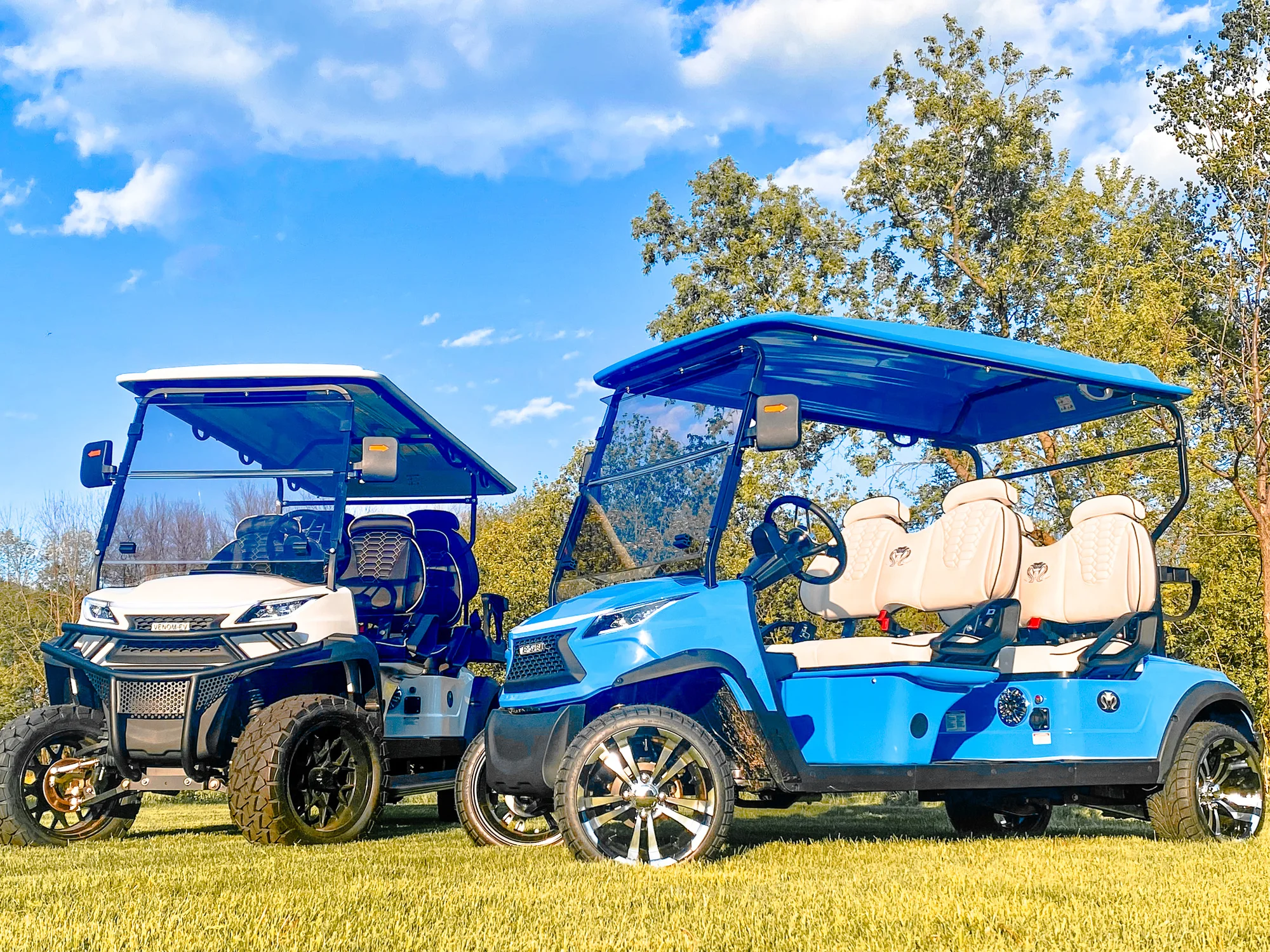
Convenience and Usability
Electric golf carts are easy to operate and can be charged using standard electrical outlets. However, they require access to charging stations and have longer charging times compared to refueling gas carts.
Gas golf carts can be quickly refueled, allowing for continuous use without long downtimes. However, they require access to gasoline and safe storage practices.
Cost Considerations
The initial purchase price of electric golf carts is generally lower than that of gas carts. Additionally, the lower maintenance and operating costs make them more economical over time.
Gas golf carts may have a higher upfront cost and incur more expenses over time due to fuel and maintenance requirements. However, they may offer better performance for specific tasks, which can justify the investment.
Why Choose Small Town EV?
When you’re weighing electric versus gas powered golf carts, you’re really evaluating more than just energy source — you’re deciding how your ride performs, what your maintenance looks like, and how sustainable your operation will be long term. Electric carts offer remarkably quiet, clean, and efficient performance, eliminating the smell, noise, and constant fuel costs that come with gas models. They demand far less maintenance—no oil changes, fewer moving parts, and simpler systems—reducing downtime and hassle. From an environmental standpoint, they produce zero tailpipe emissions and can be powered with renewable energy, making them a greener option. And as battery, motor, and controller technologies have advanced, electric carts now offer ranges, power, and responsiveness that rival or surpass gas alternatives in many settings. In short: when you choose electric, you’re choosing lower operating costs, less maintenance, more eco-friendly operation, and a smooth, quiet ride.
